
Quick Summary: Improving indoor air quality in UAE homes involves simple steps like regular cleaning with HEPA vacuums, strategic window ventilation, and using properly sized air purifiers. Managing humidity levels and choosing low-emission cleaning products also make a big difference. Upgrading HVAC maintenance and filters can address the root causes of stale or dusty air, especially in AC-dependent homes. Small, targeted changes can significantly enhance comfort and health indoors.
Indoor air in UAE homes often feels stale, dusty, or too dry before you even see dirt. That happens fast when the AC runs most of the year and windows stay closed. Poor Indoor Air Quality can show up as dry eyes, blocked noses, more dust on furniture, and rooms that never feel fresh.
Many families try to fix Indoor Air Quality with one machine, often looking at Air Purifiers UAE options first. That can help, but it is rarely the full answer. Dust, humidity, airflow, odors, and HVAC upkeep all shape Indoor Air Quality inside your home.
This guide ranks eight simple ways to improve Indoor Air Quality at home in the UAE. It starts with easy daily habits, then moves to smarter upgrades like Home Air Purification and better filtration, so you can pick the fixes that make the biggest difference first.
We chose each option based on impact, ease, and how well it fits UAE dust, AC use, humidity swings, and common indoor air problems.
Table of Contents
What to know about indoor air quality at home
Keep your home clean with HEPA-focused dust control
Ventilate strategically when outdoor conditions are favorable
Use a properly sized air purifier
Maintain a balanced indoor humidity level
Choose low-emission cleaning and home products
Upgrade HVAC maintenance and airflow
How to choose the right indoor air quality fix
Quick Comparison
Tip | Best for | Main benefit | UAE relevance | Effort level |
|---|---|---|---|---|
Keep your home clean with HEPA-focused dust control | Reducing dust, dander, and settled particles | Immediate, low-cost particle reduction | Very high in dusty, AC-cooled homes | Low to moderate |
Ventilate strategically when outdoor conditions are favorable | Flushing stale air and reducing CO2 buildup | Improves air freshness and comfort | High, but must be used selectively | Low |
Use a properly sized air purifier | Bedrooms, living rooms, and allergy-prone spaces | Continuous removal of airborne particles | High for dust and AC-related allergens | Low |
Maintain a balanced indoor humidity level | Comfort, mold prevention, and moisture balance | Improves air feel and lowers moisture-related risk | Very high in AC-heavy and coastal homes | Moderate |
Choose low-emission cleaning and home products | Reducing odors and VOC exposure | Makes indoor air feel cleaner and less irritating | High in sealed, AC-cooled homes | Low |
Upgrade HVAC maintenance and airflow | Whole-home air movement and system hygiene | Improves the source of indoor air circulation | Extremely high in AC-dependent homes | Moderate |
What to know about indoor air quality at home
Indoor air quality is the mix of dust, gases, humidity, airflow, and cleanliness inside your home. It affects how the air smells, feels, and impacts your health. If your home feels stuffy, dry, damp, or dusty, your indoor air quality likely needs work.
In the UAE, this matters more because most homes rely on air conditioning for much of the year. Closed windows, fine desert dust, cooking smells, and humidity swings can trap pollutants indoors. That can lead to allergy flare-ups, dry throat, poor sleep, headaches, and musty rooms.
Small changes at home can make a real difference, especially if you deal with dust, AC dryness, or mold smells.
1. Keep your home clean with HEPA-focused dust control
Dust builds up fast in UAE homes. Sand, pet dander, pollen, and fine debris keep getting pushed around by daily movement and AC airflow, so simple cleaning habits can improve Indoor Air Quality quickly. EPA notes that indoor particles also come from outdoor air, which matters in dusty areas.

Person vacuuming Dubai apartment rug with microfiber cloth nearby
Highlights
Vacuum carpets, rugs, and upholstery with a HEPA vacuum
Dust with a damp microfiber cloth, not dry dusting
Wash curtains, bedding, and cushion covers often
Clean under beds, behind furniture, and around AC vents
Use entry mats to cut tracked-in dust
Specs
Best for: Reducing dust, dander, and settled particles
Main benefit: Immediate, low-cost particle reduction
Effort level: Low to moderate
Pros
Affordable and easy to start today
Helps every other air quality step work better
Cons
Does not remove gases or VOCs
Needs consistency to keep working
Vacuum choice matters because non-HEPA vacuuming can resuspend particles , so this ranks first as the fastest low-cost fix.
Last updated: July 2, 2026
Also Read: About Us
2. Ventilate strategically when outdoor conditions are favorable
Fresh air helps, but timing matters in the UAE. A short window-opening session can clear stale air, cooking smells, and CO2 without making your home hot or dusty. Research in Dubai shows ventilation can improve indoor air quality, while dust storm infiltration in Dubai homes can push particles indoors if you air out at the wrong time. Use kitchen and bathroom exhaust fans, since EPA guidance notes these fans remove pollutants directly from the source.

Family opening apartment windows at sunrise with curtains flowing
Highlights
Open windows briefly during cooler, cleaner hours.
Create cross-ventilation by opening opposite sides of the home.
Skip heavy ventilation during dust, humidity spikes, or peak traffic times.
Pair fresh air with filtration for cleaner intake.
Specs
Best for: Flushing stale air and reducing CO2 buildup
Main benefit: Improves air freshness and comfort
Effort level: Low
Pros
Free and easy
Helps with sleep, odors, and stuffiness
Cons
Poor timing can bring in dust or humidity
Not enough on its own
This ranks high because sealed UAE homes often trap stale air, and smart timing fixes that fast.
Last updated: July 2, 2026
Also Read: Contact Us
3. Use a properly sized air purifier
A good air purifier gives you a strong line of defense against airborne particles. In UAE homes, it helps catch fine dust and AC-related allergens that wiping and vacuuming often miss. Pick one for the real room size, since the EPA says CADR should match the room .
Use a properly sized air purifier
Highlights
Choose a purifier sized for the actual room, not the box claim.
Prefer HEPA or similar high-efficiency particle filtration.
Put it in bedrooms, nurseries, or the living room.
Quiet or sleep modes matter if it runs overnight.
Smart sensors can make daily use easier.
For smoke and fine particles, ENERGY STAR also recommends checking CADR against square footage .
Specs
Best for: Bedrooms, living rooms, and allergy-prone spaces
Main benefit: Continuous removal of airborne particles
UAE relevance: High for dust and AC-related allergens
Effort level: Low
Pros
Works continuously in occupied rooms
Helps with dust, dander, and fine particles
Easy to add without major renovation
Cons
Needs regular filter replacement
Won't fix ventilation or humidity on its own
Room sizing matters a lot
It ranks here because it is a simple, high-impact upgrade that works every day where people spend the most time.
Last updated: July 2, 2026
Also Read: Indoor Air Quality Testing In Dubai Why Your Home Might Be Making You Tired Itchy Or Unfocused
4. Maintain a balanced indoor humidity level
Air should not feel desert-dry or sticky. In UAE homes, AC can dry rooms fast, while bathrooms, laundry areas, and coastal flats can trap too much moisture.
Watch
Highlights
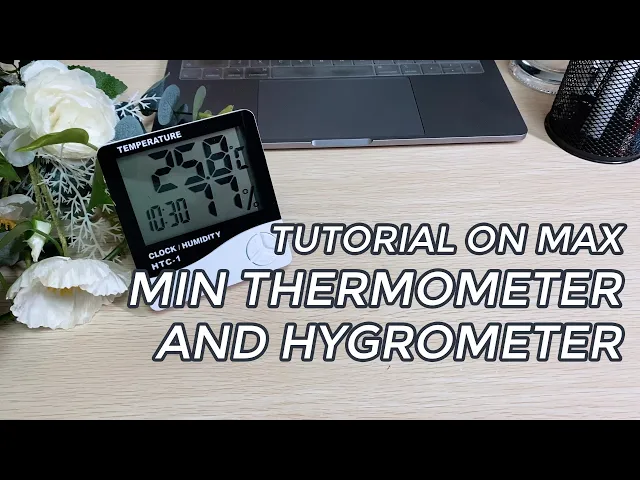
Use a hygrometer to check humidity instead of guessing.
The EPA says indoor humidity should stay below 60%, with an ideal 30% to 50% range when possible for mold control and comfort according to EPA guidance .
Run dehumidification in bathrooms, laundry spaces, and any room with condensation or musty smells.
Avoid over-humidifying if your home already feels damp. EPA moisture guidance also warns that window moisture can signal excess indoor humidity.
Specs
Best for: Comfort, mold prevention, and moisture balance
Main benefit: Improves air feel and lowers moisture-related risk
UAE relevance: Very high in AC-heavy and coastal homes
Effort level: Moderate
Pros
Can improve comfort quickly
Helps reduce mold-friendly conditions
Cons
Needs monitoring to avoid overcorrection
Does not remove particles by itself
It ranks here because humidity quietly affects both comfort and mold risk in many UAE homes.
Last updated: July 2, 2026
Also Read: The Solutions
5. Choose low-emission cleaning and home products
Many Indoor Air Quality issues come from gases, not dust. In sealed UAE homes, cleaners, paints, and scents can build up, and the EPA says VOC levels are often higher indoors . Highlights
Pick fragrance-free or low-VOC cleaners when you can.
Skip heavy incense and strong scented products in closed rooms.
Air out newly painted or renovated spaces when safe.
Read labels for solvents, perfumes, and harsh fumes.
Store chemicals sealed and away from living areas.
Look for Safer Choice style cleaning labels , not vague "natural" claims.
Specs
Best for: Reducing odors and VOC exposure
Main benefit: Makes indoor air feel cleaner and less irritating
UAE relevance: High in sealed, AC-cooled homes
Effort level: Low
Pros
Simple swap with fast benefits
Helps sensitive families
Cons
"Natural" does not always mean low-emission
It will not fix dust or particle pollution
It ranks here because it is easy, cheap, and often makes a room feel better fast.
Last updated: July 2, 2026
Also Read: Blog
6. Upgrade HVAC maintenance and airflow
Your AC system moves most of the air you breathe at home. In the UAE, that makes HVAC upkeep one of the biggest indoor air quality fixes, not just a comfort task.

Upgrade HVAC maintenance and airflow
Highlights
Replace or wash filters on schedule. The EPA says HVAC filtration can help cut indoor particles, and higher-rated filters may help if your system can handle them guide to air cleaners .
Inspect coils, drain pans, and ducts for dust, moisture, and visible buildup.
Fix weak rooms, hot spots, and stale corners by checking vents, returns, and airflow balance.
Act fast on musty smells, condensation, or mold signs. EPA says duct cleaning is not routine, but it makes sense when there is visible mold or debris blowing from vents EPA duct cleaning guidance .
Specs
Best for: Whole-home air movement and system hygiene
Main benefit: Improves the source of indoor air circulation
UAE relevance: Extremely high in AC-dependent homes
Effort level: Moderate
Pros
Can improve air quality across most rooms
Helps reduce dust and stale odors
Supports better AC performance
Cons
Needs ongoing upkeep
May require professional service
Will not fix source issues alone
It ranks here because AC maintenance improves air quality at the source, not just the symptoms.
Last updated: July 2, 2026
Also Read: Home
Honourable Mentions
A couple of other moves can help, but they work best as add-ons after you handle the bigger fixes. Think of them as support tools, not your main plan.
7. Smart IAQ monitoring - Useful for tracking PM2.5, CO2, humidity, and VOC patterns before you spend on upgrades.
8. Houseplants as a supplement - Good for comfort and looks, but too limited to count on for real indoor air quality gains.
Use these to support your core setup, not replace it.
How to choose the right indoor air quality fix
Start with the main symptom in your home. That tells you where to spend first.
Dust everywhere? Start with HEPA cleaning habits. Vacuum soft furniture, rugs, curtains, and AC return areas often. If dust still settles fast, add a room air purifier.
Air feels stale? Open windows at the right times, improve cross-flow, and check whether your AC airflow is weak or blocked.
Musty smell or condensation? Focus on humidity control first. Clean AC coils, check drain lines, and fix damp spots before buying extras.
Sensitive to smells or cleaning sprays? Switch to low-VOC products first. This is often the cheapest fast win.
Not sure what the problem is? Use an IAQ monitor before paying for bigger upgrades.
Use these criteria to choose:
What you notice | Best first move | Next step |
|---|---|---|
Fine dust on surfaces | HEPA cleaning | Add purifier |
Stale rooms | Ventilation and airflow check | HVAC tune-up |
Musty odor or wet windows | Lower humidity | AC maintenance |
Headaches from sprays | Low-VOC products | Improve ventilation |
If symptoms overlap, test first. A data-led home check from PuriFive can help you avoid buying the wrong fix.
Still dealing with dust, AC dryness, or humidity at home? PuriFive helps UAE homes fix the real cause with a 7-day air quality assessment and custom airflow, filtration, and humidity improvements. Book a consultation and get clear answers fast.
Frequently Asked Questions
Q1: What are the most effective HVAC upgrades for improving indoor air quality in UAE homes?
Add MERV 13 or HEPA filtration, better duct sealing, fresh air control, and humidity management. In UAE homes, AC runs hard, so coil cleaning and balanced airflow also matter.
Q2: How can smart IAQ sensors and IoT improve air quality monitoring in UAE residential buildings?
Smart sensors track PM2.5, CO2, humidity, and temperature in real time. That helps you spot hidden dust buildup, poor airflow, or over-dry AC air before symptoms get worse.
Q3: What regulations and standards apply to indoor air quality in UAE commercial buildings?
Rules vary by emirate and building use, but most sites follow ventilation, filtration, mold control, and maintenance standards tied to health and safety compliance.
Q4: How often should I change AC filters in the UAE?
Check monthly and change every 1 to 3 months. Villas near roads, construction, or desert areas usually need faster replacement.
If air still feels dusty after basic fixes, a PuriFive assessment can help find the real source.

